Learning to code no longer means sitting in front of a computer for hours or installing complicated software. With the right coding apps for beginners, you can learn programming basics, practice writing code, and build your skills directly from your phone or tablet.
But choosing the right app can be confusing. Some apps are designed for people who have never written a line of code, while others are better suited to learners who already understand the basics.
In this guide, we compare some of the best coding apps for beginners in 2026, including their strengths, learning styles, free options, and the type of learner they are best suited for.
What Are Coding Apps?
Coding apps are mobile or web-based applications that help people learn and practice programming. Instead of relying only on long lectures or textbooks, these apps usually combine short lessons with quizzes, coding exercises, challenges, and projects.
You can use them to learn languages such as:
- Python
- JavaScript
- HTML
- CSS
- Java
- C++
- SQL
- Swift
For beginners, one of the biggest advantages is convenience. You can complete a short lesson whenever you have a few spare minutes.
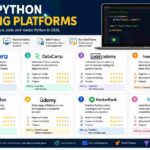
Best Coding Apps for Beginners at a Glance
| Coding App | Best For | Free Option | Beginner Friendly |
|---|---|---|---|
| Mimo | Structured beginner learning | Yes | ⭐⭐⭐⭐⭐ |
| SoloLearn | Learning different languages | Yes | ⭐⭐⭐⭐⭐ |
| Codecademy Go | Practice and revision | Yes | ⭐⭐⭐⭐ |
| Programming Hub | Exploring programming languages | Yes | ⭐⭐⭐⭐ |
| Enki | Short daily practice | Yes | ⭐⭐⭐⭐ |
| freeCodeCamp | Free programming education | Yes | ⭐⭐⭐⭐ |
The best choice depends on your learning goal. Someone learning Python for the first time may want a different app from someone preparing for a web development career.
1. Mimo – Best Overall Coding App for Beginners
Mimo is a strong starting point for people who have little or no programming experience.
Its lessons are broken into small sections, making it easier to study without committing to a long session. You can learn concepts, answer questions, write code, and gradually move into more advanced topics.
Mimo offers learning paths covering areas such as Python, JavaScript, HTML, CSS, SQL, React, TypeScript, and Swift.
Why beginners may like Mimo
- Short, manageable lessons
- Interactive coding exercises
- Structured learning paths
- Mobile-friendly experience
- Several popular programming languages
- Projects for practical learning
The main advantage is its guided approach. You don’t have to spend your first week wondering what to learn next.
Best for: Complete beginners who want a structured learning experience.
Watch out for: Some advanced content and features require a paid subscription.
2. SoloLearn – Best for Learning Multiple Languages
SoloLearn is worth considering if you want to experiment with different programming languages.
The platform covers a wide selection of languages and technologies, including Python, JavaScript, Java, C++, C#, SQL, HTML, and CSS.
Lessons are generally short and include quizzes and coding exercises. SoloLearn also has a community element, which can be useful when you want to see how other learners approach programming problems.
Why choose SoloLearn?
- Large selection of programming languages
- Interactive exercises
- Short lessons
- Coding challenges
- Community discussions
- Free learning options
One potential problem for beginners is having too many choices. If you keep switching between languages, you may make slower progress.
Best for: Learners who want to explore different programming languages.
3. Codecademy Go – Best for Practice on Mobile
Codecademy is known for its interactive programming courses, and Codecademy Go works as a mobile companion to the broader learning platform.
It can be useful when you want to review concepts or practice away from your computer.
If you are already following a Codecademy course, having a mobile option can make it easier to maintain your learning routine.
Advantages
- Useful companion for Codecademy learners
- Mobile practice
- Coding concept review
- Supports continued learning away from a computer
Best for: People already using Codecademy’s learning platform.
Watch out for: It is better viewed as a companion experience rather than a complete replacement for desktop-based coding.
4. Programming Hub – Best for Exploring Programming
Programming Hub takes a broad approach to programming education.
Instead of focusing on one language, it provides learning material across many programming languages and technology areas.
This can be useful if you’re curious about programming and want to see what different languages look like before choosing a direction.
Key benefits
- Wide range of programming languages
- Beginner-oriented lessons
- Coding examples
- Practice opportunities
- Mobile learning
Best for: Beginners who want to explore different programming technologies.
The downside is similar to SoloLearn: having many options can sometimes make it difficult for a new learner to decide where to start.
5. Enki – Best for Daily Coding Practice
Enki takes a slightly different approach.
Instead of expecting you to spend hours studying, it focuses on shorter learning sessions that can become part of your daily routine.
This makes it a good choice for people who have busy schedules but still want to improve their technical skills consistently.
You can use short sessions to review concepts and build familiarity with programming and other technical subjects.
Best for: Busy learners who prefer small daily learning sessions.
6. freeCodeCamp – Best Free Option
If keeping your learning costs at zero is your priority, freeCodeCamp deserves a place on your shortlist.
It provides a large amount of programming education without requiring a paid subscription. Its curriculum covers areas such as responsive web design, JavaScript, Python, data analysis, and other technical subjects.
Unlike some mobile-first apps, freeCodeCamp is more self-directed.
That can be both an advantage and a disadvantage.
You get considerable freedom, but you also need to take responsibility for deciding what to study next.
Best for: Beginners who want extensive free learning resources and are comfortable learning independently.
How to Choose the Right Coding App
Don’t choose a coding app simply because it has the highest number of courses.
Think about what you want to accomplish.
If you are starting from zero
Look for an app with:
- Simple explanations
- Guided lessons
- Interactive exercises
- Beginner projects
- A clear learning path
Mimo and SoloLearn are good places to start.
If you want to learn Python
Choose an app with plenty of hands-on Python practice.
Don’t just watch Python tutorials. Make sure the platform lets you write and test code.
If you want to learn web development
Look for support for:
- HTML
- CSS
- JavaScript
You’ll eventually want to move beyond mobile exercises and build websites on a computer.
If you want free coding resources
Check what is actually included in the free version before subscribing.
A “free app” may provide free introductory lessons while keeping most of its curriculum behind a subscription.
Can You Learn Programming on a Mobile Phone?
Yes, but your phone should be viewed as a learning tool rather than a complete replacement for a computer.
Mobile apps are particularly useful for learning:
- Programming concepts
- Basic syntax
- Variables
- Loops
- Functions
- HTML
- CSS
- SQL
- Simple programming exercises
As your projects become larger, working on a laptop or desktop will usually be much more comfortable.
A practical approach is to start learning on your phone and gradually move your project work to a computer.
Free Coding Apps vs Paid Apps
The best free coding app isn’t necessarily the best app overall.
Free platforms can be excellent for learning the basics, but paid apps may provide:
- Structured career paths
- More exercises
- Additional projects
- Certificates
- Progress tracking
- Extra practice
- AI-powered assistance
Before paying for a subscription, ask yourself one question:
Will the additional features help me keep learning?
If you haven’t completed the free material, paying for more content probably won’t solve the real problem.
How Much Time Should Beginners Spend Coding?
You don’t need to spend three hours every day learning programming.
For many beginners, 20 to 30 minutes of consistent practice is a more realistic starting point.
Try this simple routine:
10 minutes: Learn a new concept.
10 minutes: Complete coding exercises.
10 minutes: Write a small piece of code without copying the example.
That final step matters.
Reading code can make you feel like you understand programming. Writing code yourself is what reveals whether you actually understand it.
Common Problems Beginners Face
“I understand the lesson, but I can’t write code myself.”
This is extremely common.
Try closing the lesson and recreating the example from memory. Then change something about it.
For example, if you learn how to make a simple calculator, change the numbers or add another operation.
“I keep forgetting programming syntax.”
Don’t worry about memorizing everything.
Even experienced developers look up syntax and documentation.
Focus first on understanding what the code is supposed to do.
“I keep switching between programming languages.”
Choose one language and stick with it for your first project.
For many beginners, Python is a comfortable starting point.
Once you understand basic programming concepts, learning another language becomes easier.
“The lessons are too easy.”
That’s your signal to start building something.
Try a:
- Number guessing game
- Calculator
- Quiz
- To-do list
- Personal webpage
- Simple text-based game
Projects turn individual coding concepts into practical skills.
Which Coding App Is Best for Beginners?
There isn’t one app that is perfect for everyone.
Mimo is a strong overall choice if you want guided, bite-sized lessons.
SoloLearn is a better fit if you want to explore several programming languages and interact with other learners.
Codecademy Go makes sense if you’re already learning with Codecademy.
Programming Hub is useful for exploring different languages and technical subjects.
Enki works well for people who prefer short, regular practice.
And if your main concern is cost, freeCodeCamp is one of the strongest free resources available.
The most important thing, however, isn’t which app you download.
It’s whether you keep using it.
A simple coding app that you open every day will usually be more valuable than a huge course library that you never finish.
Frequently Asked Questions
What is the best coding app for beginners?
Mimo and SoloLearn are two strong options for beginners. Mimo is particularly useful for learners who want a structured path, while SoloLearn offers a wider selection of languages.
Are coding apps really useful for beginners?
Yes. Coding apps can make programming less intimidating by breaking complicated concepts into smaller lessons and providing immediate practice.
However, apps should eventually be combined with real projects.
What is the best free coding app?
freeCodeCamp is one of the strongest free options for people who want a broad programming curriculum. SoloLearn and other commercial platforms also offer free content.
Can I learn coding without a computer?
You can learn many programming fundamentals using a smartphone or tablet. However, you’ll eventually benefit from using a computer for larger projects and professional development tools.
Should I learn Python or JavaScript first?
For many complete beginners, Python is a straightforward starting point. If your main goal is building websites, JavaScript makes more sense after learning HTML and CSS.
How long does it take to learn coding?
There is no fixed timeline. You can learn basic concepts in a few weeks, but becoming comfortable building useful projects takes regular practice over a much longer period.
Final Thoughts
The best coding apps for beginners make programming feel manageable.
You don’t need to understand everything on day one. Start with one language, practice regularly, and build small projects as you progress.
If you’re completely new, start with a structured app such as Mimo or SoloLearn. If you’re looking for extensive free learning, explore freeCodeCamp. And once you become comfortable with the basics, move beyond lessons and start creating your own projects.
That’s where coding starts to become more than something you’re learning on an app—it becomes a skill you can actually use.