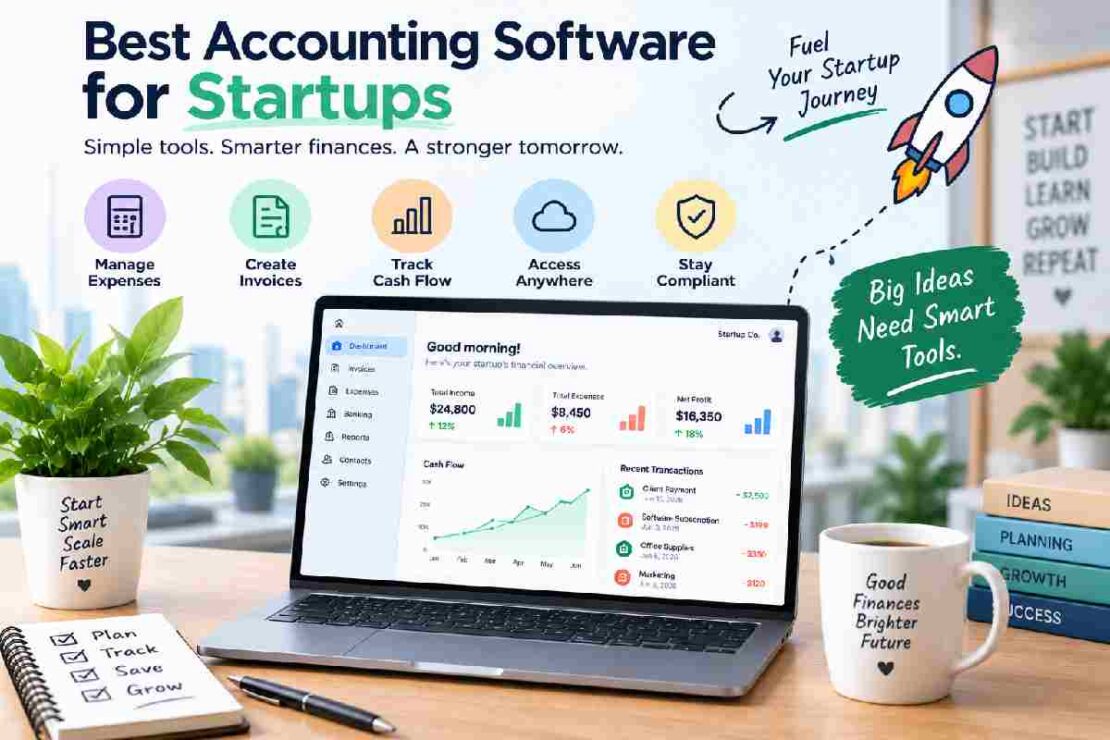
Picking the best accounting software for a startup will free founders of many hours each week otherwise lost to manually logging entries, help founders understand their business finances (cashflow, costs and revenue, business performance), while being easily scalable to grow with the business, add more users, have robust reporting capabilities, and meet investors demands. The best software for a startup in 2026 are those that offer the best blend of ease of use now and ability to scale in the future. Of the current providers that best meet these needs, this would be, in 2026, QuickBooks Online, Xero, Zoho Books, Wave, FreshBooks
Best Startup Accounting Software at a Glance
| Software | Best For | Starting Price* | Key Strength |
|---|---|---|---|
| QuickBooks Online | Most startups | From ~$38/mo | Strong accountant ecosystem |
| Xero | Growing/global startups | From $25/mo | Collaboration and automation |
| Zoho Books | Budget-conscious startups | Free / paid plans | Value and business integrations |
| Wave | Pre-revenue startups | Free | Basic accounting at low cost |
| FreshBooks | Service startups | From ~$20/mo | Invoicing and time tracking |
*Prices vary by country, plan, billing cycle, and promotions. Always verify pricing before purchase. Current 2026 comparison sources place QuickBooks, Xero, Wave, FreshBooks, and Zoho Books among the leading startup options.
1. QuickBooks Online — Best Overall

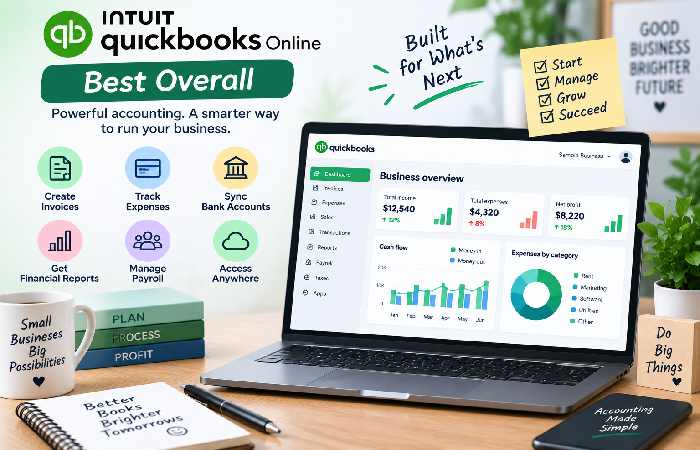
QuickBooks Online continues to be a compelling option for startups that are comfortable with accounting software they know, possess multiple integrations, and work with accountants that are familiar with the platform. It offers all of the accounting, invoicing, reporting, and bank connecting you’ll need for your basic accounting operations.
Ideal for: US-based startups that anticipate working with an accountant.
Keep an eye out for: The price and complexity will climb as your startup grows.
2. Xero — Best for Growing and International Startups
Xero should really appeal to startups who have teams who need to collaborate and operate in multiple locations and currencies. In addition to the mandatory bank reconciliation, invoicing, reporting and automation, the higher-end plans include things like cash-flow forecasting and multiple currencies.
Good for: Startups with remote teams and/or international operations
Be aware of: Will your accountant and other integrations play nice with Xero before you jump.
3. Zoho Books — Best Value for Startups
It’s a very enticing option for founders needing cheap accounting software, that will scale with their startup. In India, the free plan allows you to run an accounting function, invoicing, bank reconciliation, GST reports, and accounting statements. There are paid plans that let you add inventory, projects, automation, and payroll, among other high-tech items.
Best suited for: Founders of early stage companies concerned with cost, or users of other Zoho services, especially.
Don’t neglect: The more high-tech features will likely land on the paid plans.
.
4. Wave — Best Free Option
Wave’s good for very early or pre-revenue founders who only need the basic bookkeeping and invoicing functionalities of an accounting system without signing up for monthly software. This option appeal for a need of low overhead cost, of course.
Good For: Pre-revenue, bootstrapped companies
Consider if: As your business grows the system has limitations to further reporting or controls.
5. FreshBooks — Best for Service-Based Startups
Focuses so strongly on invoicing, client billing, expenses, projects and time tracking. Ideal for consultants, agencies, freelancers and other service-based start-ups.
Excellent for: Consultancy, creative and services firms.
Beware: Service start-ups with sophisticated accounting or investor reporting needs could get stuck early.
How to Choose the Right Startup Accounting Software
Before choosing, consider:
- Startup stage: Pre-revenue businesses may prioritize price, while funded startups need stronger reporting.
- Scalability: Look for software that can support additional users, transactions, and integrations.
- Accounting support: Make sure your accountant or bookkeeper can work with the platform.
- Reporting: Check for profit and loss, balance sheet, cash-flow, and other reports.
- Location: Tax, GST, payroll, and compliance features vary by country.
Quick Recommendation
For most U.S. startups, QuickBooks Online is the safest all-around choice. Xero is a strong alternative for collaborative or international teams. Zoho Books offers excellent value, while Wave suits very early-stage founders and FreshBooks works particularly well for service businesses.
FAQ
Which accounting software is the best for a startup?
This totally depends and is there not a definitive, catch-all solution. For general use, most businesses will find QuickBooks Online provides good functionality and if dealing with international accounts, or if there is a remote business then Xero could provide a better fit, whilst if a budget is important, Zoho Books offers a good all-rounded platform to choose from.
Is free accounting software appropriate for a startup?
Yes if your business is extremely small and currently pre-revenue, with so few entries to record to just require basic accounting, then free software is perfectly sufficient, as is often suggested, the scalability of choice of free software by founders should however be taken into account prior to selection.
When should a startup move to paid accounting software?
When the volume of entries starts to rise dramatically, if additional users are to access a system of account management or reporting to investors are to be carried out, and when your current choice of accounting software no longer fulfills the accounting requirements of your business.